Home Charging vs Public Charging: Pros and Cons
Home Charging vs Public Charging: Pros and Cons
Introduction
As electric vehicles (EVs) continue to grow in popularity worldwide, one of the most important considerations for both new and experienced EV owners is how and where to charge their vehicles. Unlike traditional gasoline cars that rely on a widespread network of fuel stations, electric cars offer multiple charging options, the two most common being home charging and public charging.
Each method has its own advantages, limitations, costs, and convenience factors. Choosing between them—or finding the right balance of both—can significantly impact the overall EV ownership experience.
In this guide, we will explore home charging and public charging in detail, comparing their benefits and drawbacks across cost, convenience, speed, infrastructure, and real-world usage scenarios. Whether you are considering buying your first electric vehicle or optimizing your current charging habits, this article will help you make an informed decision.
Understanding EV Charging Basics
Before comparing home and public charging, it is important to understand how electric vehicle charging works.
EV charging is generally divided into three levels:
Level 1 Charging
- Uses a standard household outlet
- Slowest charging method
- Typically adds 5–8 km (3–5 miles) of range per hour
Level 2 Charging
- Requires a dedicated charging station
- Much faster than Level 1
- Common for home and public charging
DC Fast Charging (Level 3)
- Available mainly in public charging stations
- Can charge an EV up to 80% in 20–40 minutes
Home charging usually relies on Level 1 or Level 2 systems, while public charging networks offer both Level 2 and DC fast charging options.
What Is Home Charging?
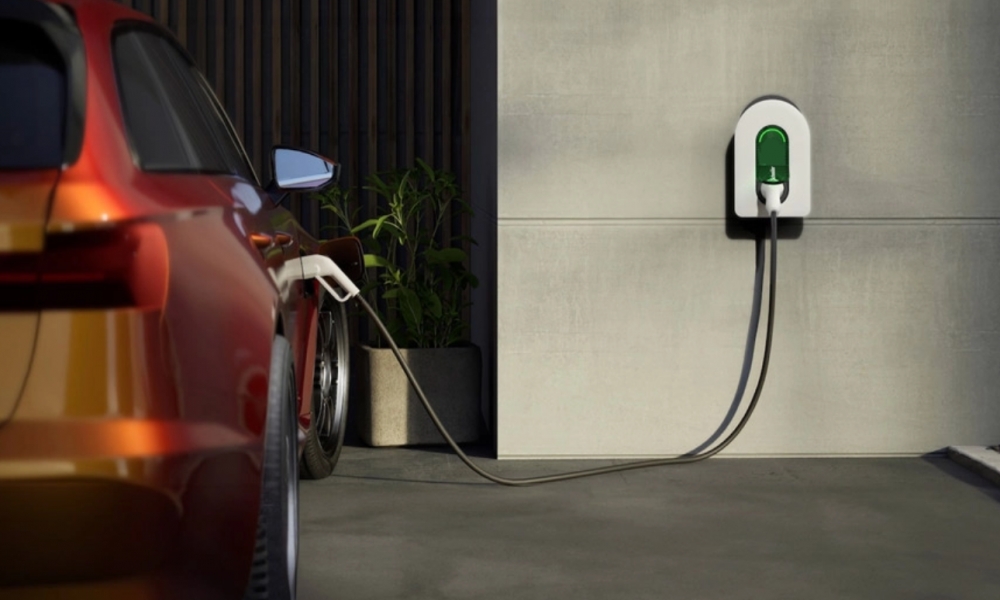
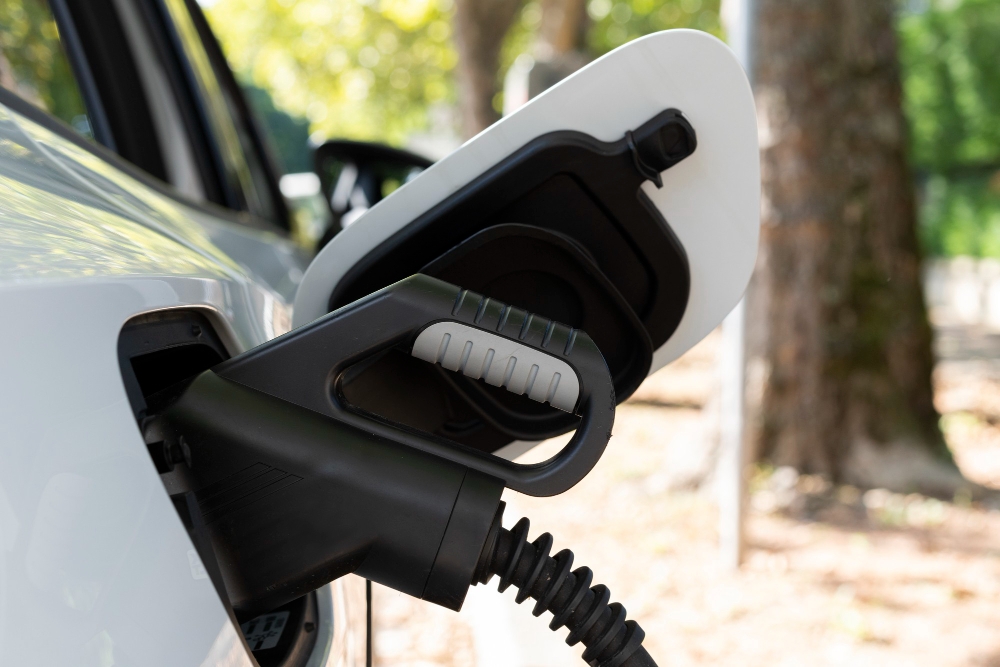
Home charging refers to charging an electric vehicle at your residence using a personal charging setup.
This can include:
- Standard wall outlets (Level 1)
- Installed home charging stations (Level 2)
Most EV owners prefer installing a Level 2 home charger for faster and more efficient charging.
How Home Charging Works
You simply plug your vehicle into a charger overnight or during idle hours. The vehicle charges slowly but consistently, ensuring a full battery by morning.
Advantages of Home Charging
1. Ultimate Convenience
One of the biggest advantages of home charging is convenience. You can charge your vehicle overnight while sleeping, eliminating the need to visit charging stations.
This "plug in and forget" experience is one of the main reasons many people switch to electric vehicles.
2. Lower Electricity Costs
Charging at home is generally cheaper than using public fast-charging networks.
Electricity prices are typically lower during off-peak hours, allowing EV owners to save significantly on energy costs over time.
3. Predictable Charging Routine
Home charging allows users to build a consistent routine. Most EV owners wake up every morning with a fully charged vehicle, which removes range anxiety in daily commuting.
4. Reduced Time Spent Refueling
Unlike gasoline cars or public charging, there is no need to stop anywhere. Your car charges while you are at home.
5. Battery-Friendly Charging
Slow and steady charging is generally better for long-term battery health compared to frequent fast charging.
Disadvantages of Home Charging
1. Installation Costs
Installing a Level 2 home charger requires upfront investment. Costs can vary depending on:
- Electrical infrastructure
- Charger type
- Installation complexity
2. Not Suitable for All Homes
Not everyone has access to private parking or a garage, especially in urban environments. Apartment residents may face challenges.
3. Slower Than Fast Charging
Even Level 2 home charging is slower than DC fast charging found in public networks.
4. Electricity Dependence
Home charging depends on stable electricity supply. Power outages can temporarily disrupt charging plans.
What Is Public Charging?
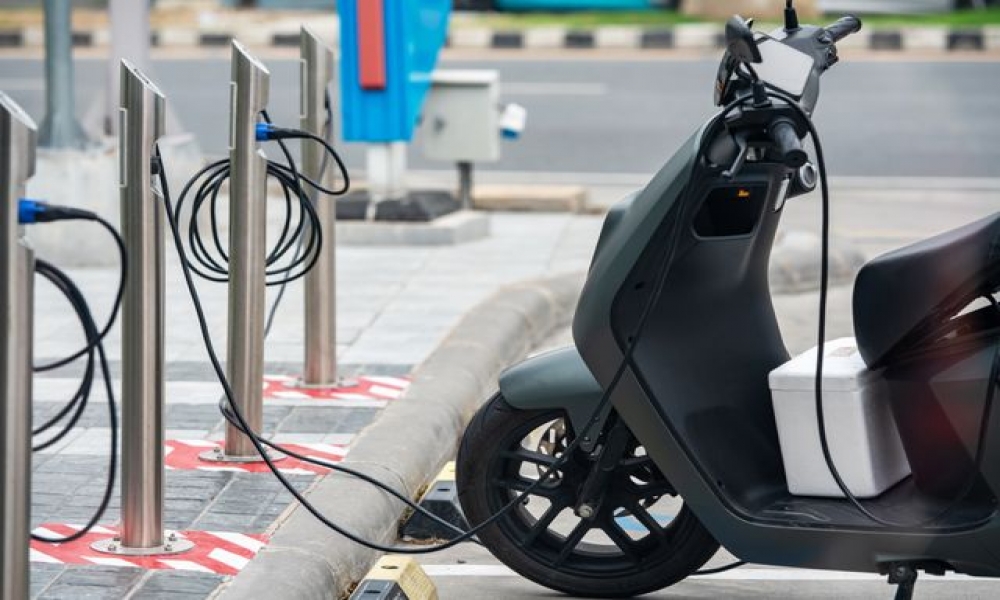
Public charging refers to charging stations located outside the home, such as:
- Shopping malls
- Highway rest stops
- Parking lots
- Dedicated EV charging hubs
Public chargers are operated by various companies and governments, offering both Level 2 and DC fast charging.
Advantages of Public Charging
1. Fast Charging Capability
The biggest advantage of public charging is speed. DC fast chargers can charge an EV from 10% to 80% in as little as 20–40 minutes.
This is especially useful for long-distance travel.
2. Wide Accessibility During Travel
Public charging networks are expanding globally, making it easier to travel long distances without worrying about battery range.
3. No Installation Required
Unlike home charging, public charging does not require any installation or upfront hardware investment.
4. Useful for Apartment Residents
For people living in apartments or rented homes without private parking, public charging is often the only viable option.
5. Growing Infrastructure
Companies and governments are investing heavily in EV infrastructure, expanding charging availability worldwide.
Major networks include Tesla Supercharger network, Ionity, Electrify America, and many others.
Disadvantages of Public Charging
1. Higher Costs
Public charging is generally more expensive than home charging, especially fast chargers.
2. Availability Issues
In some areas, charging stations may be occupied or out of service, leading to waiting times.
3. Charging Speed Variability
Not all public chargers are fast chargers. Some offer only Level 2 charging, which can still take several hours.
4. Inconvenience Compared to Home Charging
Drivers need to travel to charging stations and wait during charging sessions.
5. Peak Hour Congestion
During holidays or peak travel times, charging stations can become crowded.
Home Charging vs Public Charging: Key Comparison
| Feature | Home Charging | Public Charging |
|---|---|---|
| Cost | Lower | Higher |
| Speed | Slower | Faster (DC fast charging) |
| Convenience | Very high | Moderate |
| Availability | Always available | Depends on location |
| Installation Required | Yes | No |
| Long Trips | Not ideal alone | Essential |
When Should You Use Home Charging?
Home charging is ideal if you:
- Have a private parking space
- Drive mostly short daily distances
- Want lower long-term costs
- Prefer convenience and routine charging
When Should You Use Public Charging?
Public charging is ideal if you:
- Travel long distances frequently
- Do not have home charging access
- Need fast charging on the go
- Live in urban apartments without charging infrastructure
The Best Strategy: Combining Both
Most EV experts recommend a hybrid approach:
- Use home charging for daily needs
- Use public fast charging for long trips
This combination provides the best balance of cost, convenience, and flexibility.
The Future of EV Charging
The EV charging landscape is rapidly evolving. Several innovations are expected to improve both home and public charging systems:
Faster Charging Technology
New battery and charger technologies will reduce charging times significantly.
Wireless Charging
Inductive charging may eliminate the need for cables.
Smart Charging Systems
AI-powered systems will optimize charging based on electricity prices and grid demand.
Expansion of Charging Networks
Global investment in charging infrastructure is expected to grow rapidly over the next decade.
Environmental Impact
Both home and public charging support cleaner transportation, especially when powered by renewable energy sources such as solar or wind.
Home charging can be even more sustainable when combined with rooftop solar systems.
Frequently Asked Questions
Is home charging cheaper than public charging?
Yes, home charging is usually significantly cheaper.
Is public charging bad for battery health?
Occasional fast charging is fine, but frequent use may slightly increase battery degradation.
Can I rely only on public charging?
Yes, but it may be less convenient and more expensive.
What is the fastest way to charge an EV?
DC fast charging at public stations.