How Artificial Intelligence Is Transforming Transportation
How Artificial Intelligence Is Transforming Transportation
Artificial Intelligence (AI) is revolutionizing industries across the globe, and transportation is among the sectors experiencing the most significant transformation. From autonomous vehicles and smart traffic management systems to predictive maintenance and logistics optimization, AI is reshaping how people and goods move from one place to another. As urban populations continue to grow and transportation networks become increasingly complex, AI offers innovative solutions to improve efficiency, safety, sustainability, and customer experience.
The integration of AI into transportation is not merely a technological trend; it represents a fundamental shift in how mobility systems operate. Governments, automotive manufacturers, logistics companies, and technology providers are investing heavily in AI-powered solutions to address modern transportation challenges. This article explores how artificial intelligence is transforming transportation, the key technologies driving this change, and the opportunities and challenges that lie ahead.
The Role of Artificial Intelligence in Transportation
Artificial Intelligence refers to computer systems capable of performing tasks that typically require human intelligence, such as learning, reasoning, problem-solving, and decision-making. In transportation, AI analyzes massive amounts of data collected from vehicles, sensors, cameras, GPS systems, and infrastructure to generate actionable insights and automate critical processes.
The transportation sector generates enormous volumes of data every day. AI systems process this information in real time, enabling faster and more accurate decisions than traditional methods. As a result, transportation networks become more efficient, safer, and more responsive to changing conditions.
Autonomous Vehicles: The Future of Mobility
One of the most visible applications of AI in transportation is the development of autonomous vehicles. Self-driving cars use machine learning, computer vision, radar, LiDAR, and sensor fusion technologies to perceive their surroundings and navigate roads without human intervention.
AI enables autonomous vehicles to:
- Detect pedestrians, cyclists, and other vehicles.
- Recognize traffic signs and road markings.
- Predict the behavior of nearby road users.
- Make real-time driving decisions.
- Adapt to changing traffic and weather conditions.
Autonomous vehicles have the potential to significantly reduce road accidents, most of which are caused by human error. By eliminating distractions, fatigue, and impaired driving, AI-powered vehicles can create safer roads and improve mobility for elderly and disabled individuals.
In addition to passenger transportation, autonomous technology is being applied to trucks, delivery vans, and public transit systems. Self-driving freight vehicles could improve supply chain efficiency while reducing transportation costs.
Smart Traffic Management Systems
Traffic congestion is a major challenge in cities worldwide. Traditional traffic management systems often struggle to respond effectively to changing traffic patterns. AI-powered traffic management systems provide a more dynamic and intelligent approach.
Using data from cameras, sensors, connected vehicles, and GPS devices, AI algorithms can:
- Monitor traffic flow in real time.
- Predict congestion before it occurs.
- Optimize traffic signal timing.
- Suggest alternative routes.
- Improve emergency vehicle response times.
Smart traffic systems reduce travel times, fuel consumption, and greenhouse gas emissions. Cities implementing AI-driven traffic solutions are experiencing improved road efficiency and enhanced commuter experiences.
As urban populations continue to increase, intelligent traffic management will become essential for sustainable city development and smart mobility initiatives.
AI-Powered Public Transportation
Public transportation systems are becoming smarter through AI integration. Transit agencies use artificial intelligence to improve scheduling, route planning, passenger information systems, and operational efficiency.
AI helps public transportation providers by:
- Predicting passenger demand.
- Optimizing bus and train schedules.
- Reducing delays.
- Improving fleet utilization.
- Enhancing customer service.
Machine learning models analyze historical travel patterns, weather conditions, special events, and demographic data to forecast demand accurately. This enables transportation authorities to allocate resources more efficiently and minimize overcrowding.
Passengers also benefit from AI-powered mobile applications that provide real-time updates, route recommendations, and personalized travel information.
Logistics and Supply Chain Optimization
The logistics industry is undergoing a major transformation thanks to AI technologies. Efficient transportation is critical for global supply chains, and AI helps companies streamline operations from warehouse management to last-mile delivery.
AI-driven logistics solutions offer several advantages:
Route Optimization
AI analyzes traffic conditions, weather forecasts, fuel costs, and delivery priorities to identify the most efficient routes. This reduces transportation expenses and shortens delivery times.
Demand Forecasting
Machine learning algorithms predict customer demand based on historical sales data, market trends, and seasonal patterns. Accurate forecasting helps businesses optimize inventory levels and transportation resources.
Fleet Management
AI enables real-time monitoring of vehicle performance, fuel consumption, and driver behavior. Fleet managers can make data-driven decisions that improve operational efficiency and reduce costs.
Last-Mile Delivery
The final stage of delivery is often the most expensive and time-consuming part of logistics. AI helps optimize delivery schedules and supports emerging technologies such as autonomous delivery robots and drones.
Predictive Maintenance in Transportation
Vehicle breakdowns and equipment failures can cause costly disruptions. AI-powered predictive maintenance helps transportation companies identify potential issues before they become serious problems.
Using data collected from sensors and Internet of Things (IoT) devices, AI systems continuously monitor vehicle health and performance. Machine learning models detect patterns that indicate wear and tear, allowing maintenance teams to take preventive action.
Benefits of predictive maintenance include:
- Reduced downtime.
- Lower maintenance costs.
- Improved safety.
- Extended vehicle lifespan.
- Increased operational reliability.
Airlines, rail operators, trucking companies, and public transportation agencies increasingly rely on predictive maintenance to ensure smooth operations.
AI and Road Safety
Improving road safety is one of the most important applications of artificial intelligence in transportation. Every year, millions of traffic accidents occur worldwide, resulting in injuries, fatalities, and economic losses.
AI enhances road safety through:
Driver Assistance Systems
Advanced Driver Assistance Systems (ADAS) use AI to support drivers with features such as:
- Lane departure warnings.
- Automatic emergency braking.
- Adaptive cruise control.
- Blind-spot monitoring.
- Collision avoidance systems.
These technologies help prevent accidents and reduce human error.
Driver Monitoring
AI-powered cameras and sensors can detect signs of driver fatigue, distraction, or impairment. The system can issue warnings or take corrective actions when necessary.
Accident Prediction
By analyzing traffic patterns and historical accident data, AI can identify high-risk areas and recommend preventive measures to transportation authorities.
Connected Vehicles and Smart Infrastructure
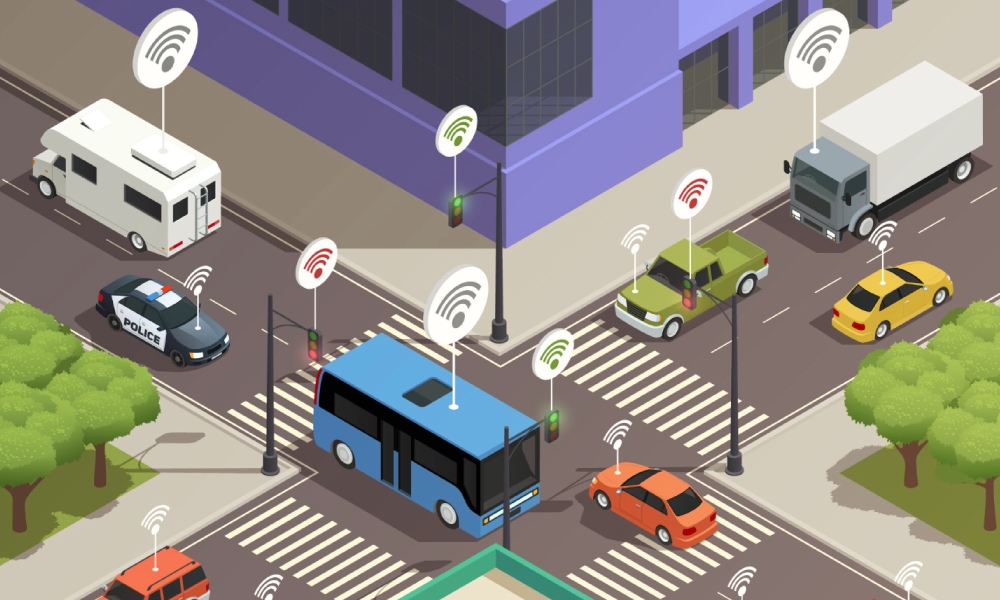
The future of transportation relies heavily on connectivity. AI enables communication between vehicles, infrastructure, and transportation networks through Vehicle-to-Everything (V2X) technology.
Connected vehicles can exchange information about:
- Traffic conditions.
- Road hazards.
- Weather changes.
- Construction zones.
- Emergency situations.
This real-time communication improves safety, reduces congestion, and enhances traffic efficiency.
Smart infrastructure equipped with AI-enabled sensors can monitor road conditions, detect accidents, and optimize transportation operations. Together, connected vehicles and intelligent infrastructure create a more integrated and efficient mobility ecosystem.
Sustainable Transportation and Environmental Benefits
Sustainability is becoming a key priority for governments and businesses worldwide. Transportation accounts for a significant portion of global carbon emissions, making environmental improvements essential.
AI contributes to sustainable transportation in several ways:
Reduced Fuel Consumption
Optimized routes and traffic management systems help vehicles consume less fuel and produce fewer emissions.
Electric Vehicle Optimization
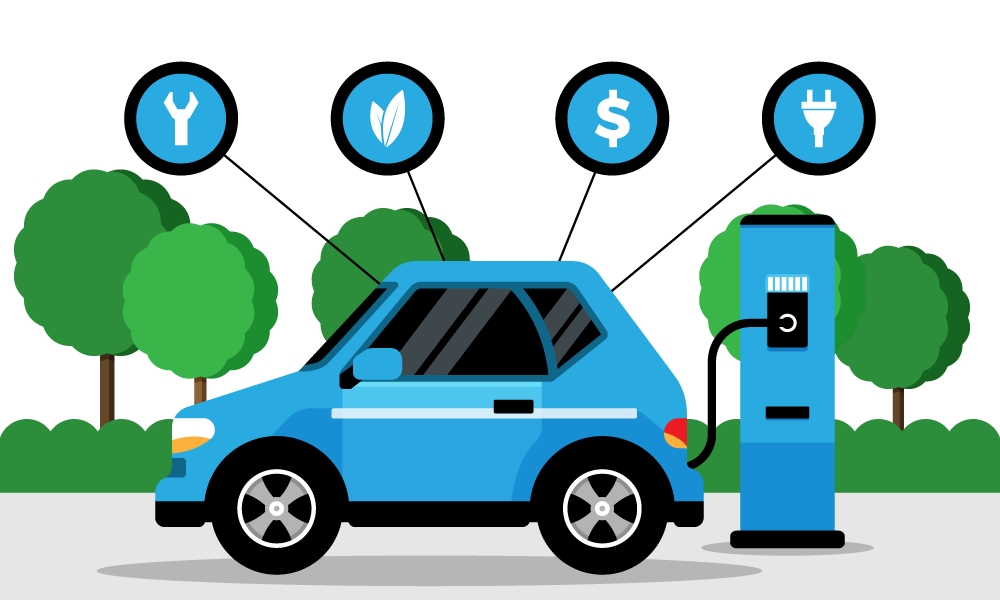
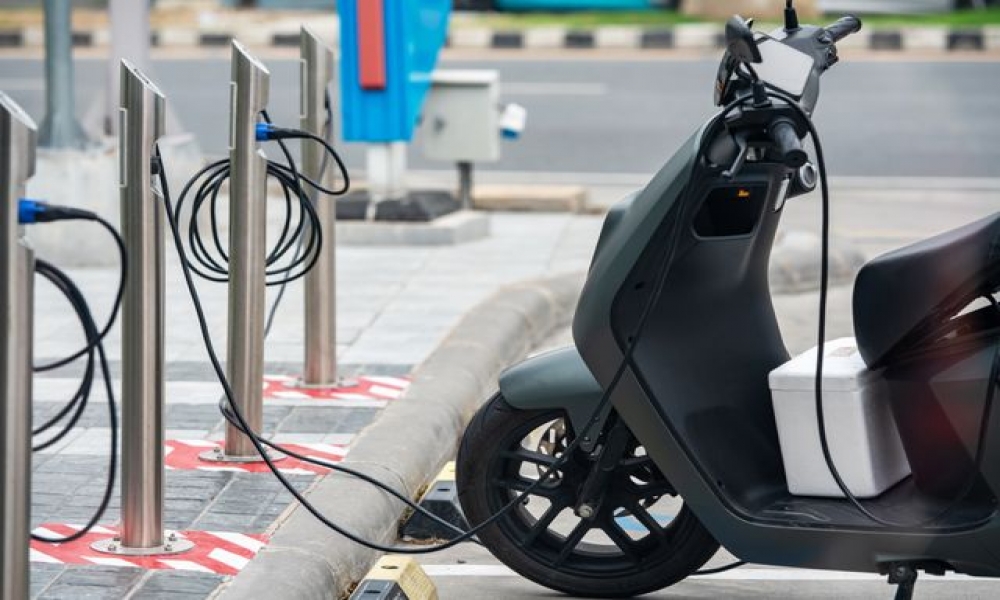
AI supports electric vehicle (EV) adoption by improving battery management, charging infrastructure planning, and energy efficiency.
Traffic Flow Improvements
Reducing congestion lowers idle time and decreases overall emissions.
Smart Urban Planning
AI helps city planners design transportation systems that promote sustainable mobility options such as public transit, cycling, and shared mobility services.
By enabling greener transportation solutions, AI plays a critical role in addressing climate change and supporting environmental sustainability goals.
Artificial Intelligence in Aviation
The aviation industry is increasingly leveraging AI to improve safety, efficiency, and passenger experiences.
Key applications include:
Flight Operations
AI analyzes weather data, air traffic conditions, and operational variables to optimize flight routes and fuel consumption.
Predictive Aircraft Maintenance
Airlines use AI to detect maintenance needs before mechanical failures occur, reducing delays and improving safety.
Passenger Experience
AI-powered chatbots, virtual assistants, and personalized travel recommendations enhance customer service throughout the travel journey.
Airport Management
AI systems streamline airport operations, including baggage handling, security screening, and passenger flow management.
These innovations contribute to safer, more efficient, and more convenient air travel.
AI in Rail Transportation
Rail networks are also benefiting from artificial intelligence. Railway operators use AI to optimize scheduling, monitor infrastructure, and improve safety.
Applications include:
- Predictive maintenance for trains and tracks.
- Automated train operations.
- Passenger demand forecasting.
- Real-time traffic management.
- Infrastructure monitoring.
AI helps rail systems operate more reliably while reducing operational costs and enhancing passenger satisfaction.
Challenges and Concerns of AI in Transportation
Despite its many advantages, AI adoption in transportation presents several challenges.
Data Privacy
AI systems rely heavily on data collection. Protecting personal and operational data is essential to maintain public trust.
Cybersecurity Risks
Connected transportation systems can become targets for cyberattacks. Strong cybersecurity measures are necessary to protect critical infrastructure.
Regulatory Frameworks
Governments must develop regulations that balance innovation with safety and accountability.
Ethical Considerations
Questions surrounding autonomous decision-making, liability, and algorithmic bias require careful consideration.
Workforce Impact
Automation may change employment patterns in transportation industries. Workforce reskilling and adaptation programs will be important during this transition.
Addressing these challenges is essential for the successful and responsible deployment of AI technologies.
The Future of Artificial Intelligence in Transportation
The future of transportation will be increasingly shaped by artificial intelligence. Emerging technologies such as autonomous mobility, smart cities, digital twins, edge computing, and advanced robotics will further accelerate transformation.
Future developments may include:
- Fully autonomous transportation networks.
- AI-powered urban mobility ecosystems.
- Intelligent multimodal transportation systems.
- Advanced drone delivery services.
- Hyper-personalized travel experiences.
- Fully connected smart cities.
As AI technology continues to evolve, transportation systems will become safer, faster, more sustainable, and more efficient.