The Next Decade of Electric Mobility
The Next Decade of Electric Mobility: How Transportation Will Transform by 2035
The transportation industry is experiencing a historic transformation. Electric mobility, once considered a niche concept, has rapidly become one of the most influential forces shaping the future of transportation. Governments, automakers, technology companies, and consumers are investing heavily in electric vehicles (EVs), charging infrastructure, battery innovation, and smart mobility solutions.
As we look ahead to the next decade, electric mobility is expected to evolve far beyond simply replacing gasoline-powered vehicles. Advances in battery technology, autonomous driving systems, renewable energy integration, and smart transportation networks will fundamentally reshape how people and goods move around the world.
This article explores the future of electric mobility, the trends driving industry growth, and what consumers, businesses, and investors can expect over the next ten years.
Understanding Electric Mobility
Electric mobility refers to transportation systems powered primarily by electricity rather than fossil fuels.
The concept includes:
- Electric cars
- Electric buses
- Electric trucks
- Electric motorcycles
- Electric bicycles
- Shared mobility services
- Smart transportation infrastructure
Electric mobility represents a broader shift toward cleaner, more efficient, and more connected transportation systems.
Why Electric Mobility Is Accelerating
Several factors are driving the rapid adoption of electric transportation worldwide.
Climate Change and Sustainability Goals
Reducing greenhouse gas emissions has become a priority for governments and businesses globally.
The transportation sector accounts for a significant portion of global carbon emissions. Transitioning to electric mobility can help countries meet climate targets while improving air quality in urban environments.
Technological Innovation
Battery technology has improved dramatically over the past decade.
Modern EVs now offer:
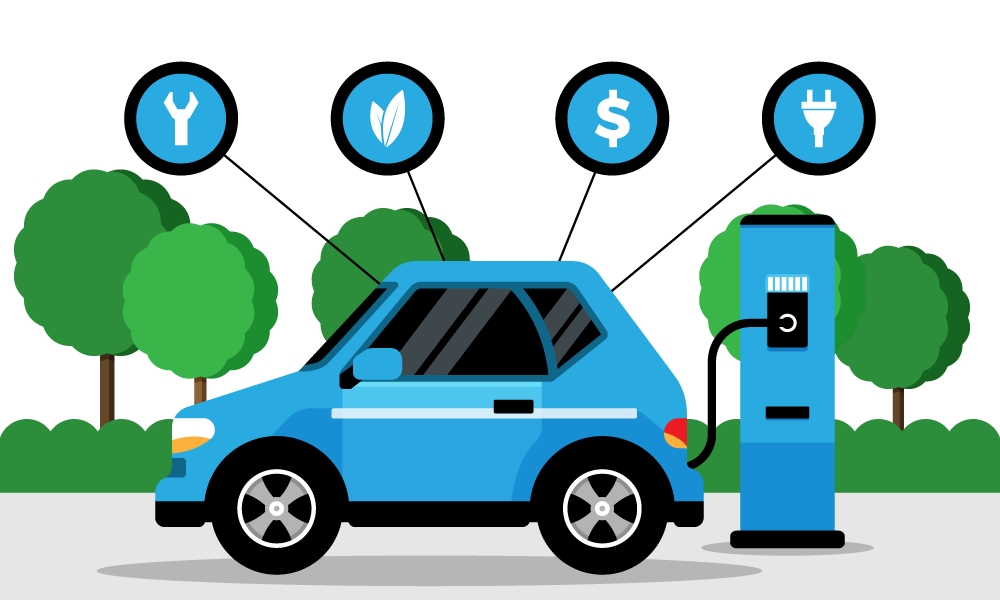
- Longer driving ranges
- Faster charging speeds
- Lower maintenance requirements
- Better overall performance
As technology continues to advance, electric vehicles will become even more competitive with traditional vehicles.
Government Policies and Incentives
Governments worldwide are supporting electric mobility through:
- Purchase incentives
- Tax credits
- Charging infrastructure investments
- Emission regulations
- Internal combustion engine phase-out plans
These policies are encouraging both consumers and manufacturers to embrace electrification.
Consumer Demand
Consumers are becoming increasingly interested in sustainable transportation options.
Many drivers now recognize the benefits of EV ownership, including lower operating costs, reduced emissions, and advanced technology features.
Battery Technology Will Lead the Revolution
Battery innovation will likely be the most important factor shaping the next decade of electric mobility.
Higher Energy Density
Future batteries are expected to store more energy while occupying less space.
Benefits include:
- Longer driving ranges
- Reduced vehicle weight
- Improved efficiency
- Lower production costs
Many experts believe future EVs could routinely exceed 600 miles (965 km) of range on a single charge.
Solid-State Batteries
Solid-state batteries are often described as the next major breakthrough.
Potential advantages include:
- Faster charging
- Increased safety
- Longer lifespan
- Greater energy capacity
If successfully commercialized at scale, solid-state batteries could dramatically accelerate EV adoption.
Lower Battery Costs
Battery prices have fallen significantly over the past decade.
Further cost reductions could make electric vehicles cheaper than gasoline-powered alternatives in many markets, even without government incentives.
The Expansion of Charging Infrastructure
One of the biggest barriers to EV adoption has been charging accessibility.
Over the next decade, charging networks are expected to become far more widespread and convenient.
Ultra-Fast Charging
Future charging stations will dramatically reduce charging times.
Instead of waiting 30 to 45 minutes, drivers may be able to add hundreds of miles of range in just a few minutes.
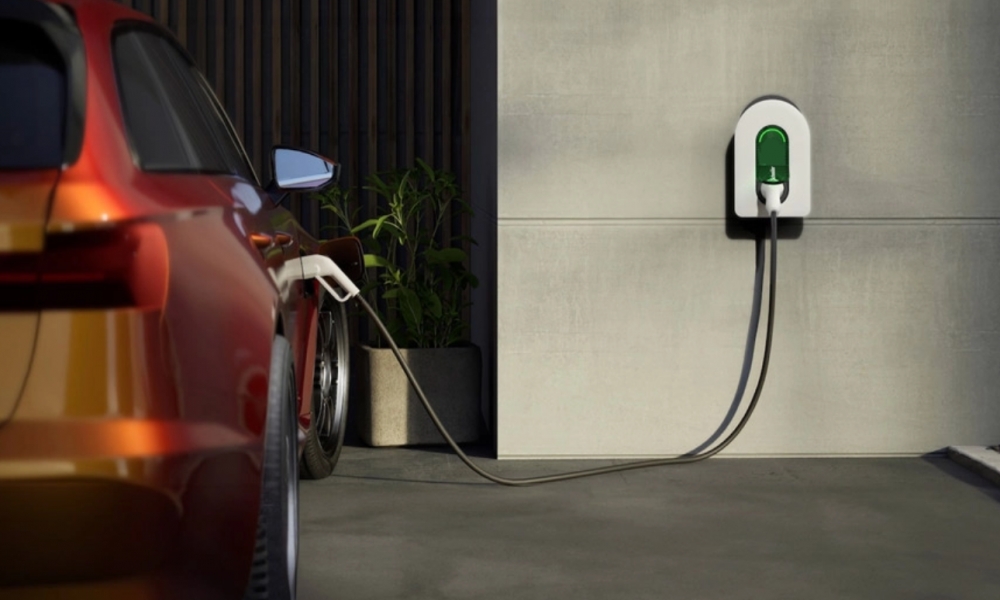
Home Charging Improvements
Smart home charging systems will become more advanced.
Future chargers may automatically:
- Optimize charging times
- Reduce electricity costs
- Integrate with solar panels
- Support vehicle-to-home energy systems
Wireless Charging
Wireless charging technology is becoming increasingly viable.
Future EVs may charge automatically while parked or even while driving on specially equipped roadways.
Autonomous Electric Vehicles
The convergence of electrification and automation will create entirely new mobility experiences.
Self-Driving Technology
Artificial intelligence and advanced sensors continue to improve autonomous driving systems.
Over the next decade, autonomous electric vehicles may become common in:
- Ride-sharing services
- Public transportation
- Delivery fleets
- Commercial logistics operations
Increased Safety
Autonomous systems could significantly reduce accidents caused by human error.
Combined with electric powertrains, these technologies may contribute to safer and more efficient transportation networks.
Lower Transportation Costs
Autonomous electric fleets may reduce operational expenses for transportation providers.
This could make mobility services more affordable and accessible for millions of people.
Smart Cities and Connected Mobility
Electric mobility will play a central role in the development of smart cities.
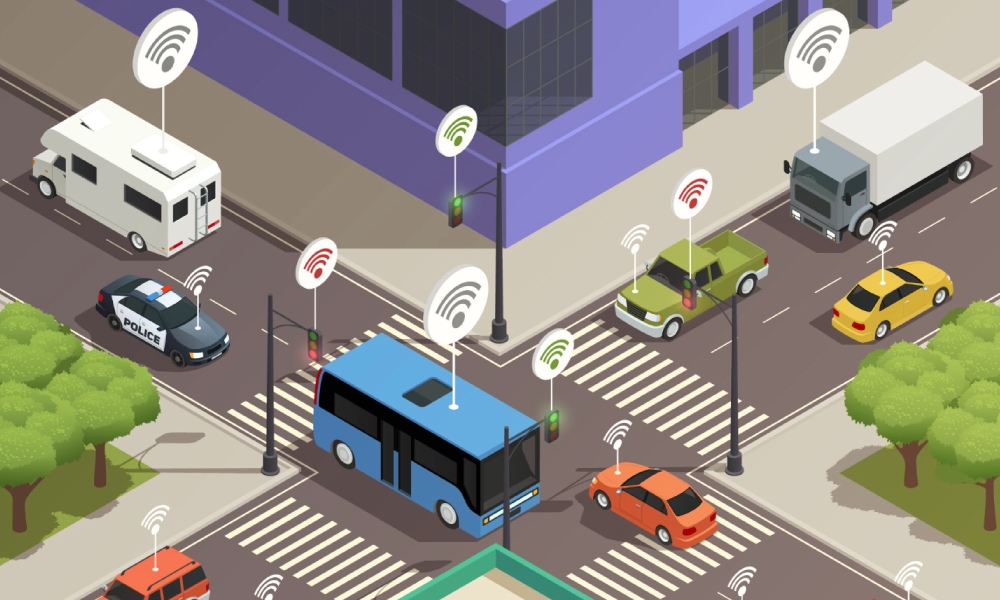
Intelligent Traffic Management
Connected vehicles will communicate with traffic systems in real time.
Benefits include:
- Reduced congestion
- Shorter travel times
- Lower emissions
- Improved road safety
Data-Driven Transportation
Advanced analytics and artificial intelligence will help cities optimize transportation infrastructure and improve urban mobility.
Seamless Mobility Services
Future transportation systems may integrate multiple services into a single platform.
Users could plan and pay for trips involving:
- Electric cars
- Public transportation
- Electric scooters
- Bike-sharing services
All through a single mobile application.
Commercial Transportation Will Go Electric
Passenger vehicles often receive the most attention, but commercial transportation may experience even greater transformation.
Electric Delivery Fleets
E-commerce growth has increased demand for delivery services.
Electric delivery vehicles offer:
- Lower fuel costs
- Reduced maintenance expenses
- Lower emissions
- Regulatory compliance benefits
Electric Trucks
Battery technology improvements are making electric long-haul trucking increasingly viable.
Many logistics companies are already investing in electric fleet solutions to reduce operating costs and meet sustainability goals.
Public Transportation
Cities worldwide are replacing diesel buses with electric alternatives.
Electric buses offer quieter operation, cleaner air, and lower lifetime operating costs.
Renewable Energy and Electric Mobility
The future of transportation is closely linked to renewable energy.
Solar-Powered Charging
As solar energy becomes more affordable, charging stations may increasingly rely on renewable power sources.
Vehicle-to-Grid Technology
Vehicle-to-grid (V2G) systems allow EVs to return electricity to the grid during periods of high demand.
This technology could transform electric vehicles into valuable energy storage assets.
Energy Independence
Widespread adoption of electric mobility may help reduce dependence on imported fossil fuels while increasing energy security.
Challenges Facing the Industry
Despite strong momentum, electric mobility still faces several challenges.
Charging Infrastructure Gaps
Many regions require substantial infrastructure investments to support growing EV adoption.
Raw Material Supply
Demand for lithium, nickel, cobalt, and other battery materials continues to increase.
Developing sustainable supply chains remains a critical industry priority.
Grid Capacity
Electricity networks must be upgraded to accommodate millions of additional EVs.
Affordability
Although costs are declining, EV affordability remains a concern in some markets.
Continued technological improvements and economies of scale will be important for expanding adoption.
What the EV Industry Could Look Like by 2035
By 2035, electric mobility may become the dominant form of transportation in many parts of the world.
Possible developments include:
- EVs representing the majority of new vehicle sales
- Widespread autonomous transportation services
- Extensive ultra-fast charging networks
- Smart city transportation ecosystems
- Large-scale vehicle-to-grid integration
- Advanced battery technologies with significantly longer range
The transportation experience of 2035 may look dramatically different from today's reality.
Opportunities for Businesses and Investors
The growth of electric mobility creates opportunities across multiple sectors.
Potential growth areas include:
- EV manufacturing
- Battery technology
- Charging infrastructure
- Renewable energy
- Autonomous driving systems
- Mobility software platforms
- Battery recycling
Companies operating within these industries may benefit from long-term global electrification trends.