Why Traditional Automakers Are Going Electric: The Complete Guide to the Automotive Industry‘s Biggest Shift
Why Traditional Automakers Are Going Electric: The Complete Guide to the Automotive Industry’s Biggest Shift
The global automotive industry is undergoing one of the most significant transformations in its history. Traditional automakers—companies that have built gasoline and diesel vehicles for over a century—are now rapidly shifting toward electric vehicles (EVs). This change is not just a trend; it is a structural evolution driven by technology, regulation, consumer demand, and long-term economic strategy.
In this article, we will explore in depth why traditional automakers are going electric, the forces behind this transition, the challenges they face, and what the future of mobility looks like in an electrified world.
A Historic Turning Point in the Automotive Industry
For more than 100 years, internal combustion engines (ICEs) have dominated global transportation. Brands like Toyota, Ford, Volkswagen, BMW, and General Motors built their identities around refining gasoline-powered engines. However, the rise of electric vehicles has disrupted this long-standing model.
Today, nearly every major automaker has announced ambitious plans to electrify their lineup. Some have pledged to become fully electric within the next two decades, while others aim for hybrid transitions before going fully EV.
But why is this happening now?
The answer lies in a combination of environmental urgency, government policies, technological breakthroughs, and shifting consumer expectations.
1. Environmental Regulations and Government Pressure
One of the most powerful drivers behind electrification is government regulation.
Stricter Emission Standards
Countries around the world are tightening emissions rules to combat climate change. The transportation sector is a major contributor to greenhouse gas emissions, especially CO₂. Governments in Europe, China, and North America are enforcing stricter fuel economy standards that make it increasingly difficult for automakers to continue producing traditional combustion engines.
For example:
- The European Union has set aggressive CO₂ reduction targets.
- Several countries plan to ban new internal combustion engine vehicle sales between 2035 and 2040.
- China, the world’s largest automotive market, has introduced strong EV quotas and incentives.
These regulations force automakers to either adapt or risk losing access to major markets.
Incentives for Electric Vehicles
In addition to restrictions, governments are also offering incentives such as:
- Tax credits for EV buyers
- Subsidies for manufacturers
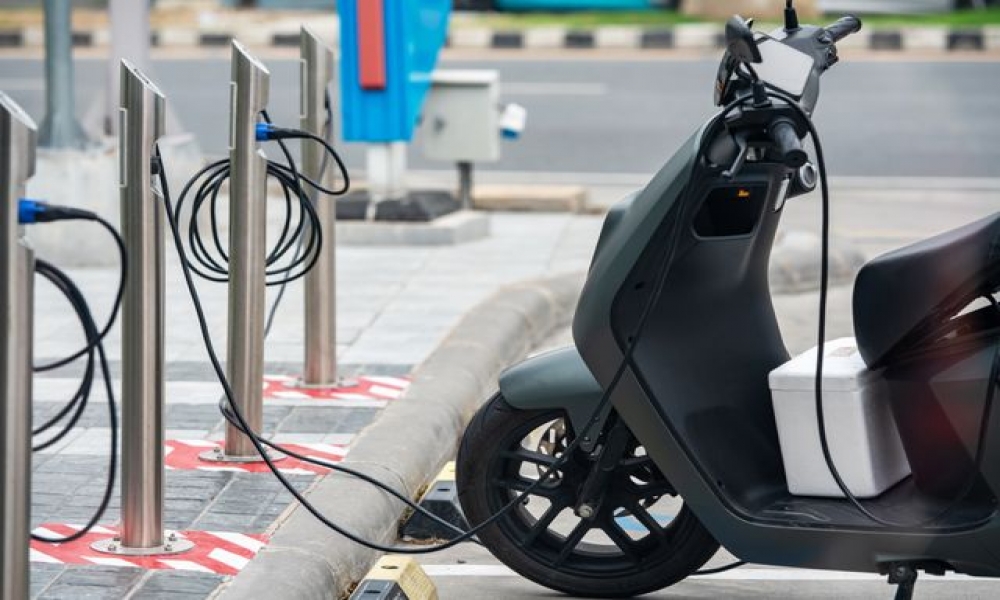
- Investment in charging infrastructure
- Reduced registration fees for EVs
These incentives make electric vehicles more attractive to both consumers and manufacturers.
2. Advances in Battery Technology
The rapid improvement in battery technology is another key reason traditional automakers are embracing EVs.
Falling Battery Costs
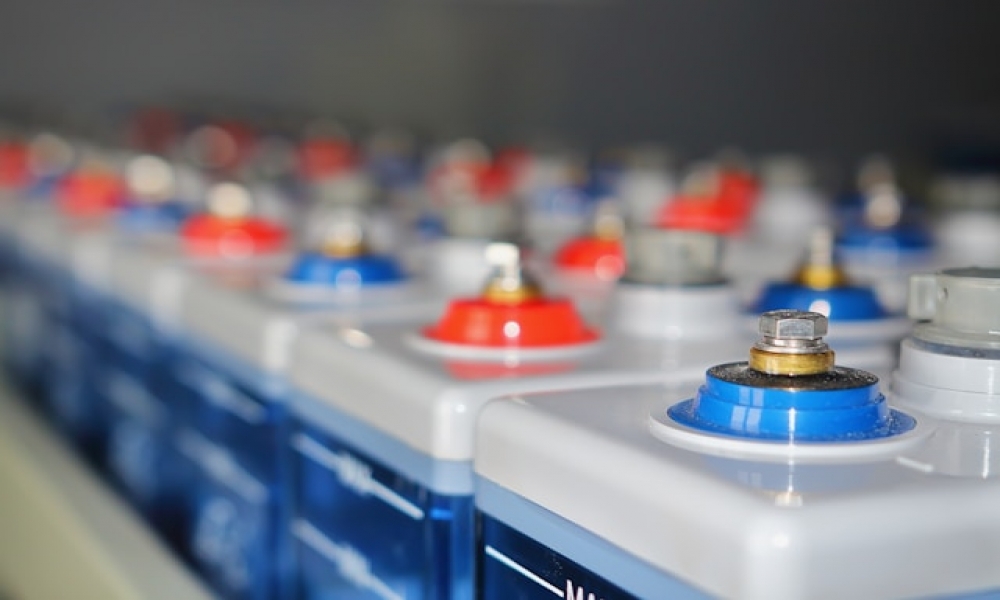
Over the past decade, lithium-ion battery prices have dropped dramatically. This cost reduction has made electric vehicles much more economically viable.
Lower battery costs mean:
- Lower vehicle production costs
- More affordable EV prices for consumers
- Higher profit potential for manufacturers
Improved Range and Performance
Early electric vehicles suffered from limited range and slow charging times. Today, however, modern EVs can easily achieve:
- 300–600 km of driving range
- Fast charging in under 30 minutes (in many cases)
- High performance acceleration comparable to sports cars
These improvements have removed many of the barriers that once made EVs unattractive.
Solid-State Battery Development
The industry is also moving toward solid-state batteries, which promise:
- Higher energy density
- Faster charging times
- Improved safety
- Longer lifespan
This next generation of batteries could further accelerate EV adoption.
3. Changing Consumer Preferences
Consumer behavior is another major force behind the shift to electric vehicles.
Growing Environmental Awareness
Modern consumers are increasingly concerned about climate change and sustainability. Many buyers now prefer products that reduce their carbon footprint, including cars.
Electric vehicles are perceived as:
- Cleaner
- More modern
- Environmentally responsible
This perception strongly influences purchasing decisions.
Lower Operating Costs
EVs typically cost less to operate than gasoline cars because:
- Electricity is cheaper than fuel in most regions
- EVs have fewer moving parts
- Maintenance costs are significantly lower
No oil changes, fewer brake replacements, and reduced engine wear make EVs financially attractive over time.
Technology-Driven Expectations
Today’s car buyers expect advanced technology features such as:
- Smart infotainment systems
- Autonomous driving capabilities
- Over-the-air software updates
Electric vehicles are better suited for software integration, making them more appealing to tech-savvy consumers.
4. Competitive Pressure from New EV Companies
Traditional automakers are not transitioning to electric vehicles in isolation. They are responding to strong competition from new EV-focused companies.
Rise of EV-Only Manufacturers
Companies that started with electric vehicles have built strong brand identities around innovation and sustainability. These companies forced legacy automakers to accelerate their EV development strategies.
Their advantages include:
- No legacy ICE infrastructure
- Software-first vehicle design
- Faster innovation cycles
Market Share Competition
As EV demand grows, traditional automakers risk losing market share if they do not adapt. The success of EV-only brands has shown that consumers are willing to switch away from traditional car brands if they do not offer competitive electric options.
5. Long-Term Cost Efficiency for Manufacturers
While transitioning to electric vehicles requires massive investment, it can be more cost-efficient in the long term.
Simpler Powertrains
Electric motors have far fewer components than internal combustion engines. This results in:
- Lower manufacturing complexity
- Reduced assembly costs
- Fewer supply chain dependencies
Reduced R&D Costs for ICE Technology
As the industry moves away from gasoline engines, automakers can gradually reduce spending on:
- Engine development
- Transmission systems
- Exhaust systems
Instead, they can focus R&D resources on battery technology, software, and autonomous driving.
Platform Standardization
Many automakers are developing dedicated EV platforms that can be used across multiple models, reducing production costs and increasing efficiency.
6. The Role of Energy Transition and Sustainability Goals
Global sustainability goals are pushing industries to decarbonize, and automotive companies are under increasing pressure to contribute.
Corporate Sustainability Commitments
Many automakers have publicly committed to achieving:
- Carbon neutrality
- Net-zero emissions
- Sustainable supply chains
Electrification is central to achieving these goals.
Investor Pressure
Institutional investors are also pushing companies to adopt greener strategies. Environmental, Social, and Governance (ESG) metrics now influence investment decisions, making EV transition financially strategic.
7. Oil Dependency and Energy Security
Another often overlooked factor is energy independence.
Reducing Dependence on Oil
Countries that rely heavily on imported oil see electric vehicles as a way to reduce dependency on fossil fuels. EVs allow energy to come from:
- Renewable sources like wind and solar
- Domestic electricity production
This improves national energy security.
Price Stability
Electricity prices are generally more stable than oil prices, which are influenced by geopolitical tensions and global supply disruptions.
8. Infrastructure Development: Charging Networks
The expansion of charging infrastructure is crucial to EV adoption.
Public Charging Stations
Governments and private companies are investing heavily in:
- Fast-charging networks
- Urban charging stations
- Highway charging corridors
This reduces “range anxiety,” one of the biggest concerns for EV buyers.
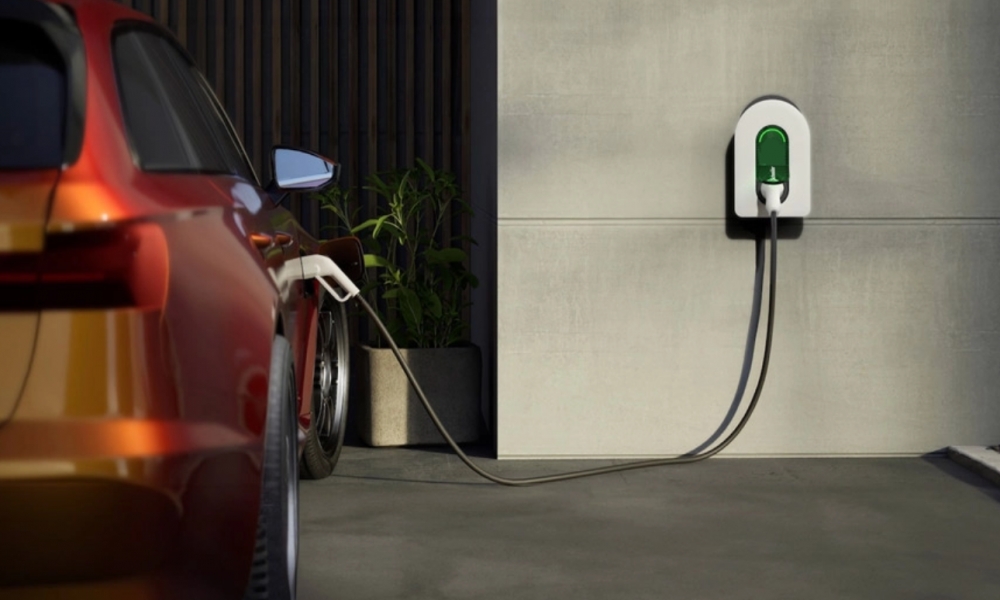
Home Charging Convenience
Most EV owners charge their vehicles at home, which is:
- More convenient than visiting fuel stations
- Cheaper in most cases
- Easier to integrate into daily routines
As infrastructure improves, EV ownership becomes more practical.
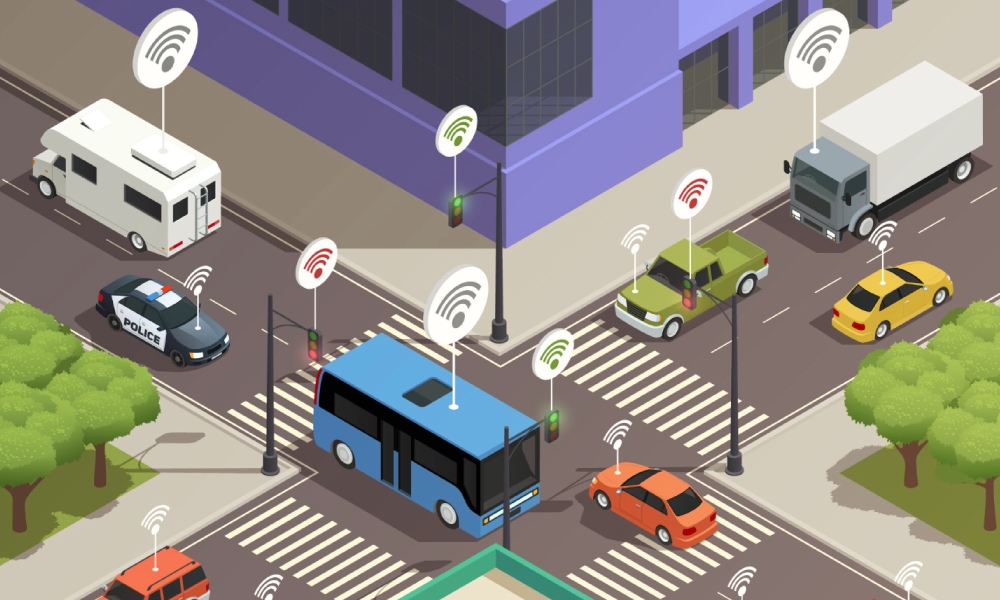
9. Software-Defined Vehicles and the Future of Cars
Electric vehicles are more than just a different type of engine—they represent a shift toward software-defined vehicles.
Over-the-Air Updates
EVs can receive software updates remotely, allowing manufacturers to:
- Improve performance
- Add new features
- Fix bugs without recalls
Autonomous Driving Development
Electric platforms are essential for self-driving technology because they integrate:
- Advanced sensors
- Centralized computing systems
- Real-time data processing
This makes EVs the foundation for future mobility solutions.
10. Challenges Facing Traditional Automakers
Despite strong momentum, the transition to electric vehicles is not without challenges.
High Initial Investment
Building EV factories, battery supply chains, and software ecosystems requires billions in investment.
Supply Chain Constraints
Key materials such as lithium, nickel, and cobalt are limited and geographically concentrated.
Workforce Transformation
Automakers must retrain workers as EV production requires different skills compared to traditional engine manufacturing.
Profit Margin Pressure
EVs often have lower profit margins than traditional vehicles in early stages, making the transition financially challenging.
11. The Future of Traditional Automakers in an Electric World
The automotive industry of the future will look very different from today. Traditional automakers are evolving into mobility and technology companies.
Hybrid Transition Period
Most companies will go through a hybrid phase, producing both ICE and EV vehicles before fully transitioning.
Strategic Partnerships
Automakers are forming partnerships with:
- Battery manufacturers
- Software companies
- Energy providers
These collaborations are essential for success.