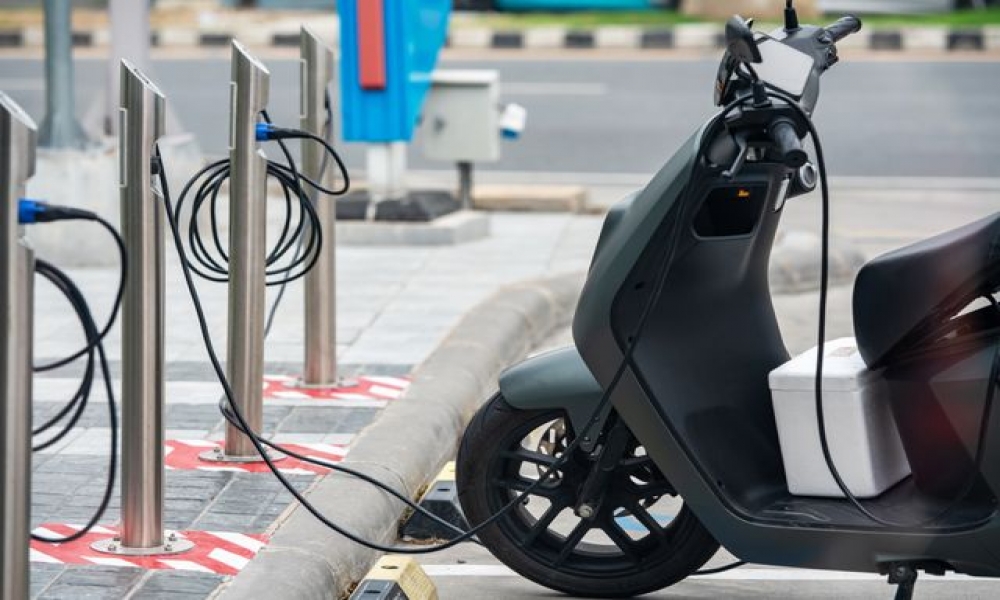
Electric Cars vs Gas Cars: A Complete Comparison
Electric Cars vs Gas Cars: A Complete Comparison
The debate between electric cars and gasoline-powered vehicles has become one of the most important topics in the automotive industry. As governments push for cleaner transportation and automakers invest billions in electric vehicle development, consumers are increasingly asking a simple question: Which option is better—electric cars or gas cars?
For over a century, gasoline vehicles have dominated roads around the world. They are familiar, widely available, and supported by extensive fueling infrastructure. However, electric vehicles (EVs) have emerged as a compelling alternative thanks to lower operating costs, innovative technology, and reduced environmental impact.
The decision is no longer just about fuel type. Buyers today must consider factors such as purchase price, charging infrastructure, maintenance costs, driving range, performance, sustainability, and long-term ownership expenses.
In this comprehensive guide, we compare electric cars and gasoline cars across every major category to help you determine which vehicle best fits your lifestyle and budget.
What Is an Electric Car?
An electric car is powered entirely by electricity stored in a rechargeable battery pack. Instead of relying on an internal combustion engine, EVs use electric motors to generate movement.
Modern electric vehicles offer instant torque, quiet operation, advanced software features, and significantly lower energy costs compared to traditional vehicles.
Key advantages include:
- Zero tailpipe emissions
- Lower maintenance requirements
- Reduced fuel expenses
- Smooth and quiet driving experience
- Access to rapidly expanding charging networks
Popular examples include vehicles from manufacturers such as Tesla, BYD, Hyundai, Kia, BMW, Mercedes-Benz, and Volkswagen.
What Is a Gasoline Car?
Gasoline vehicles use internal combustion engines that burn fuel to create mechanical energy. They have been the standard mode of transportation for generations and remain the most common vehicle type worldwide.
Gas-powered vehicles benefit from:
- Extensive fueling infrastructure
- Faster refueling times
- Proven long-distance travel capability
- Lower upfront purchase prices in many segments
However, they also require more maintenance and produce carbon emissions during operation.
Purchase Price Comparison
One of the most significant differences between electric and gasoline vehicles is the initial purchase cost.
Historically, EVs have been more expensive due to battery production costs. While battery prices continue to decline, many electric models still carry a higher upfront price than their gasoline counterparts.
Electric Cars
Pros:
- Government incentives in many countries
- Lower ownership costs over time
- Increasing competition reducing prices
Cons:
- Higher initial investment
- Premium pricing for long-range models
Gas Cars
Pros:
- Lower entry-level prices
- Larger used vehicle market
Cons:
- Higher fuel expenses over time
- Potentially higher long-term maintenance costs
For drivers planning to keep their vehicle for several years, the total cost of ownership often favors electric vehicles despite the higher purchase price.
Running Costs and Fuel Expenses
Running costs are where electric vehicles begin to shine.
Gasoline prices fluctuate frequently and can represent a significant portion of annual vehicle expenses. Electric vehicles, on the other hand, generally cost far less per mile or kilometer traveled.
For example, charging an EV at home can often cost substantially less than filling a gasoline tank for the same driving distance.
Benefits of EV operating costs include:
- Lower energy prices
- Home charging convenience
- Reduced dependence on fuel market volatility
Drivers with high annual mileage often see the greatest financial benefits from switching to electric transportation.
Maintenance Costs
Maintenance is another area where electric vehicles have a clear advantage.
A gasoline engine contains hundreds of moving components that require regular servicing. Oil changes, spark plug replacements, transmission maintenance, and exhaust system repairs can add significant costs over time.
Electric vehicles eliminate many of these requirements.
Typical EV Maintenance
- Tire rotations
- Brake inspections
- Cabin air filter replacement
- Software updates
Typical Gas Vehicle Maintenance
- Oil changes
- Transmission service
- Engine repairs
- Exhaust system repairs
- Fuel system maintenance
As a result, EV owners typically spend less on routine maintenance throughout the life of the vehicle.
Driving Performance
Many people assume electric vehicles sacrifice performance, but the opposite is often true.
Electric motors deliver instant torque, providing rapid acceleration from a standstill. This characteristic allows many EVs to outperform similarly priced gasoline vehicles.
Electric vehicles offer:
- Instant acceleration
- Smooth power delivery
- Quiet operation
- Low center of gravity
Gasoline vehicles continue to provide advantages in some areas, including:
- Familiar driving characteristics
- Long-distance touring convenience
- Wider performance vehicle selection
For daily driving, however, many consumers find EVs more enjoyable and responsive.
Driving Range
Range remains one of the most discussed aspects of electric vehicle ownership.
Modern EVs commonly offer between 250 and 500 miles (400–800 km) of range depending on the model.
Gasoline vehicles generally maintain an advantage in maximum driving range because refueling is quick and fuel stations are widespread.
However, improvements in battery technology continue to reduce range anxiety every year.
Charging vs Refueling
Gasoline vehicles can typically be refueled within a few minutes.
Electric vehicles require charging, which may take:
- Several hours using home charging
- 20–40 minutes using modern DC fast chargers
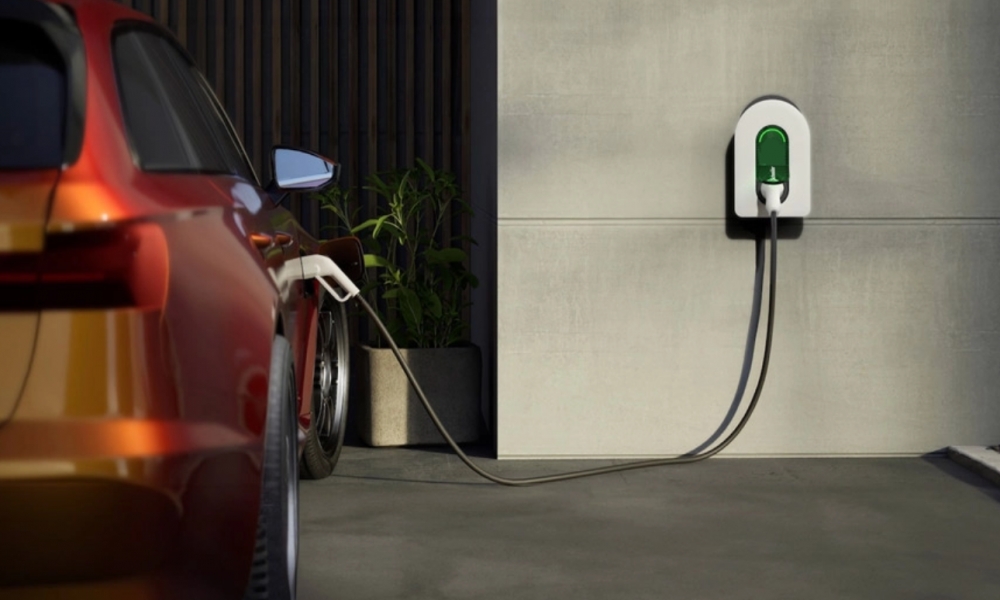
Although charging takes longer, many EV owners rarely visit public charging stations because they charge overnight at home.
For daily commuting, this can actually be more convenient than regular trips to gas stations.
Environmental Impact
Environmental concerns are a major reason for the growing popularity of electric vehicles.
Gasoline vehicles emit carbon dioxide and other pollutants directly from their exhaust systems.
Electric vehicles produce zero tailpipe emissions and can become even cleaner when powered by renewable energy sources such as solar, wind, or hydroelectric power.
While battery production has environmental impacts, numerous studies suggest that EVs generally produce fewer lifetime emissions than comparable gasoline vehicles.
Which Vehicle Is Right for You?
Choose an electric vehicle if:
- You drive regularly and want lower operating costs.
- You have access to home charging.
- You prioritize sustainability.
- You enjoy modern technology.
Choose a gasoline vehicle if:
- You frequently travel in areas with limited charging infrastructure.
- You need rapid refueling during long trips.
- Your budget prioritizes the lowest upfront cost.
Final Verdict
Electric vehicles and gasoline cars both have strengths and weaknesses. However, the automotive industry is clearly moving toward electrification. Improvements in battery technology, charging infrastructure, and vehicle affordability continue to make EVs more attractive for mainstream consumers.
For many drivers, electric vehicles now offer lower ownership costs, better performance, reduced maintenance, and a smaller environmental footprint. While gasoline vehicles remain practical in certain situations, the long-term future of transportation increasingly points toward electric mobility.
As charging networks expand and battery technology advances, the gap between electric and gasoline vehicles will continue to shrink, making EVs an increasingly compelling choice for drivers around the world.